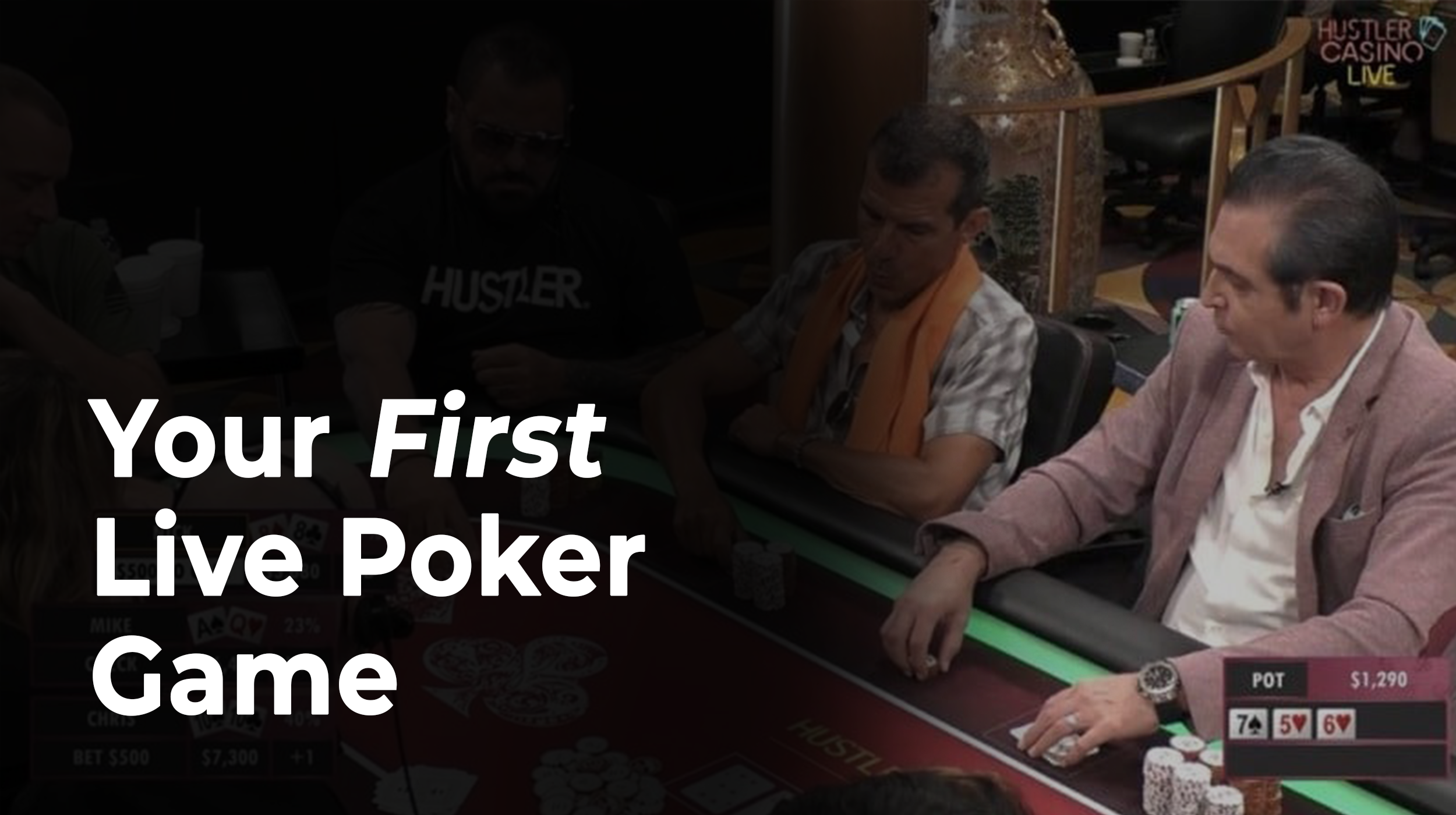
The gap between playing poker online or at home and walking into a casino poker room feels large the first time. The mechanics are the same; the social dynamics are not. Here is what to expect and how to show up prepared.
Before You Go
Know the rules cold. You do not need to be a strong player, but you should understand the betting rounds, hand rankings, and basic etiquette before you sit down.
Set a loss limit. Decide the maximum you are willing to lose before you leave home. Treat it as the cost of the experience. When you hit it, leave without negotiating with yourself.
Bring cash. Most cardrooms require cash for buy-ins. Bring more than your planned buy-in so you are not short.
Finding the Right Game
Walk up to the podium or front desk and ask what games are running and what the buy-in range is. A typical low-stakes game is 1/2 No-Limit Hold'em, meaning the blinds are $1 and $2, with a minimum buy-in around $100 and a maximum around $200 to $300.
Start at the lowest stakes available. The players are weaker and the lessons are cheaper.
Buying In
Give your cash to the dealer or chip runner. They will exchange it for chips. You do not hand money directly to other players.
If you rebuy during a session, you typically wait until the end of the current hand before adding chips to your stack.
What Happens at the Table
Posting the blind
If you join mid-session, you may be required to post a big blind immediately before your first hand, or you can wait for the big blind position to reach you naturally. Ask the dealer which option is available.
The pace
Live poker is significantly slower than online. Hands take 3 to 5 minutes on average. Expect 25 to 35 hands per hour, versus hundreds per hour online. Use the downtime to observe opponents.
Announcing actions
Verbally announce your action before moving chips. "Raise," "call," or "fold." This prevents disputes and is required in most cardrooms. You can also move chips cleanly without speaking, but announcing is clearer, especially when learning.
Asking the dealer
You are allowed to ask the dealer how much is in the pot, what the current bet is, and how many players are left in the hand. You cannot ask for advice on what to do, and you should never reveal your hand to another player while the hand is live.
Handling Chips
Stack your chips neatly in front of you. Dealers and opponents read your stack size constantly. Keep larger denomination chips at the front where they are visible. Hiding chips behind smaller ones, intentionally or not, can lead to disputes and may violate house rules.
Do not put chips in your pocket. All chips must remain visible on the table.
Tipping
Standard practice is to tip the dealer $1 for a small pot and more for larger pots. Budget $20 to $30 for tips over a few hours. It is optional but expected and appreciated by the staff.
What to Observe Between Hands
- Who plays too many hands (a potential target)
- Who only plays premium hands (treat their bets with respect)
- Who bets large on the river consistently (are they value betting or bluffing?)
- How players react when they win and lose (emotional tells)
Common First-Timer Anxieties
"I will embarrass myself." Everyone at a poker table was a first-timer once. Dealers have seen every mistake. Ask the dealer if you are unsure what to do. They will guide you.
"The other players are all professionals." At 1/2 stakes, most players are recreational. Some are experienced regulars, but very few are professionals. You are not walking into a sharks' den at low stakes.
"I will be cheated." Legitimate cardrooms are regulated and monitored. Dealer cheating is effectively impossible. Collusion between players is rare at low stakes and difficult to execute meaningfully.
After Your First Session
Win or lose, note what surprised you. What decisions felt unclear? What did you observe about other players? Even a short losing session produces useful information if you pay attention.
Review the common beginner mistakes guide and see if anything from your session matches the patterns described there.
FAQ
Do I need to tip the dealer? Tipping is customary but not mandatory. The standard is $1 for a small pot and more for larger ones. Dealers rely on tips as a significant portion of their income. Consistent tipping is considered respectful and keeps the game running smoothly.
Can I leave the table whenever I want in a cash game? Yes. In a cash game you can leave at any time and cash out your chips. Some rooms have rules about leaving shortly after winning a large pot (known as "ratholing"), so check local rules if this applies. In a tournament, leaving means forfeiting your remaining chips.
What should I do if I do not know what to do during a hand? Say "time please" to request a moment to think, or simply ask the dealer what the current bet is. You are always allowed to ask for clarification on the betting action. For advice on your hand, you must wait until after the hand is over.
How do I know when it is my turn? The dealer will indicate the action by looking at you. When in doubt, watch where the last player's chips were placed and follow clockwise. If you miss your turn, the dealer will catch it.
Common Mistakes
Announcing a raise and then only putting in a call amount. Your verbal declaration is binding. If you say "raise" you must raise. Decide your action and amount before announcing or moving chips. If unsure, state your full action clearly: "I raise to $15."
Not protecting your hole cards. First-timers often rest their hands away from their cards or let them slide toward the muck. One accidentally mucked card ends your hand with no recourse. Keep a chip or card protector on your cards at all times.
Trying to talk through a hand with other players. Discussing your hand, asking what someone else would do, or revealing what you folded while the hand is live are all violations. Stay quiet about your cards until the hand is complete.
Playing too many hands out of boredom. Live poker is slow. The temptation to play marginal hands to get involved is strong. Folding 70-80% of hands preflop is normal and correct at a full table. Use the time between hands to study your opponents rather than play your way into losing spots.

Written by
PokerTournaments101
25 years playing mid-to-high stakes NLH and PLO across live and online. Poker industry veterans turned tournament grinders, tool builders, and writers.
GETTING STARTED
Player Tips