The 2026 World Series of Poker does not start on the day most people think it does. Bracelet events kick off at Paris/Horseshoe on May 26, but by then the Vegas poker summer has already been running for over a week. The Venetian's Deepstack Extravaganza starts May 18. The Wynn Summer Classic is underway from May 20. The Orleans and South Point are running daily tournaments before the WSOP fires its first bracelet event. If you are landing in Vegas with a plan built only around the WSOP schedule, you are already behind.
The good news is that this is one of the best times in history to be a serious recreational or semi-professional poker player visiting Las Vegas. The concentration of tournaments, the range of buy-in levels, and the number of venues within a few miles of each other make the summer series genuinely manageable if you plan it properly.
What it is not, however, is simple. Eight venues running overlapping schedules across eleven weeks produces hundreds of events. Without a clear framework for who you are as a player and what you are trying to accomplish, the schedule becomes noise.
This guide is organized around three player types. Read the one that describes you, and use the others as context for how the field around you is thinking.
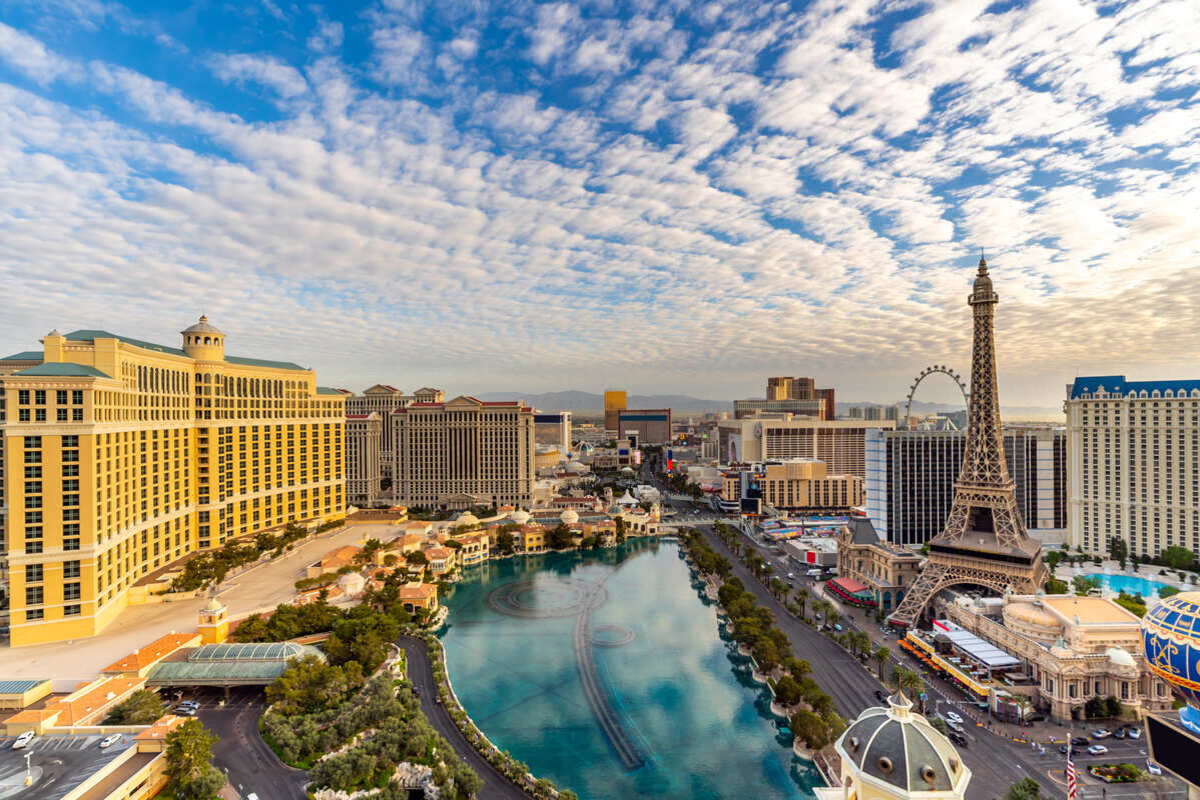 The 2026 Vegas summer spans Paris/Horseshoe, Venetian, Wynn, Aria, MGM Grand, Golden Nugget, The Orleans, and South Point.
Plan Your Schedule Before You Land
Before getting into player archetypes, a practical note on logistics. The 2026 Vegas summer involves hundreds of individual tournament sessions across eight venues. Keeping track of what runs when, at what buy-in, and whether events overlap is genuinely difficult without a dedicated tool.
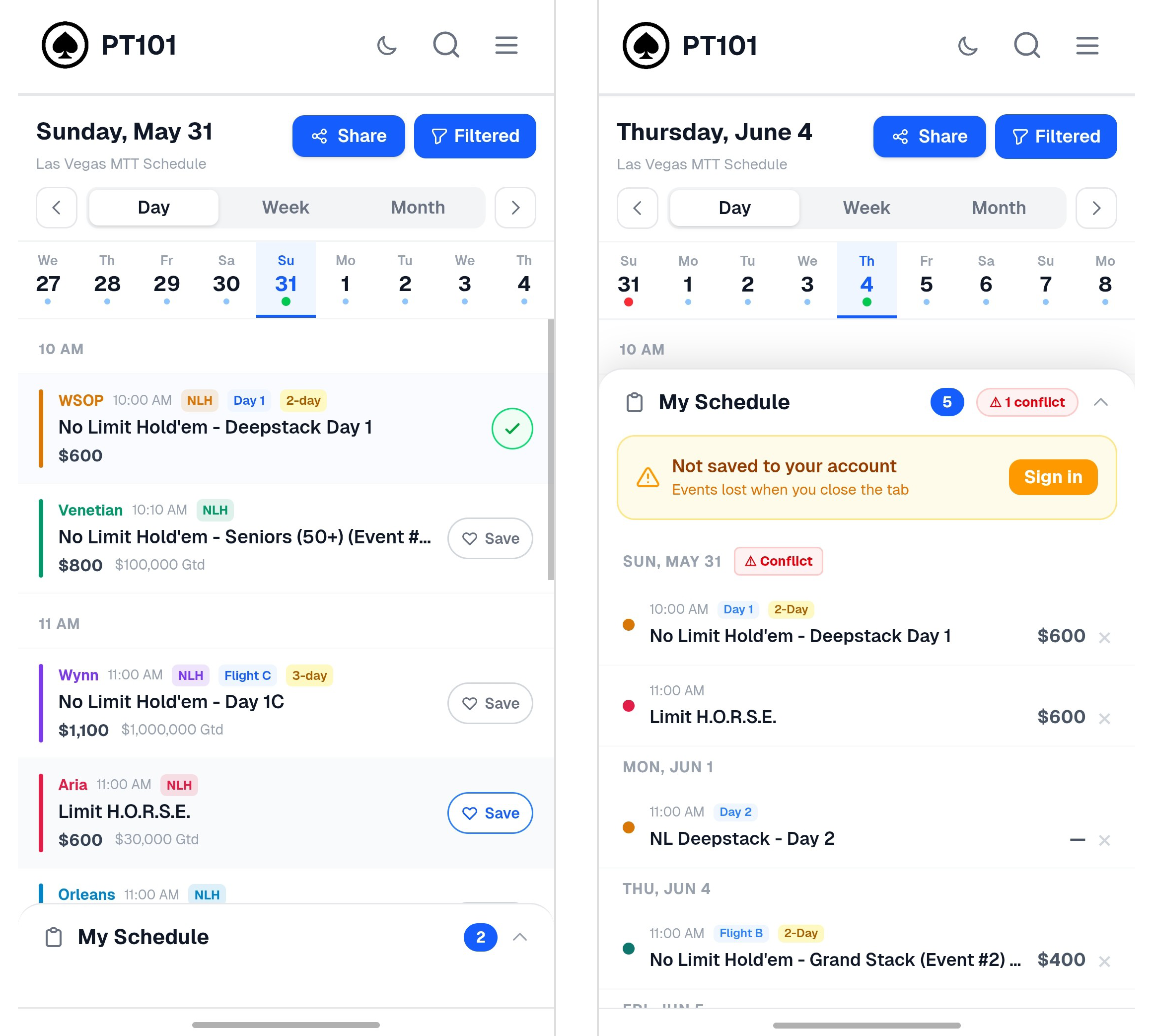 The 2026 WSOP Tournament Planner on mobile — all eight venues in one place.
The 2026 WSOP Tournament Planner on this site is completely free and was built specifically for planning a Vegas summer trip. Here is what it can do:
- Browse all eight venues in a single day, week, or month view
- Filter by venue, buy-in range, and game type to find the right events fast
- Save events to your personal schedule and sync to your account across every device
- Spot conflicts automatically when two saved events overlap on the same day
- Share your schedule with a link so travel partners can see your plan
- Colour-coded by venue so you can read the calendar at a glance
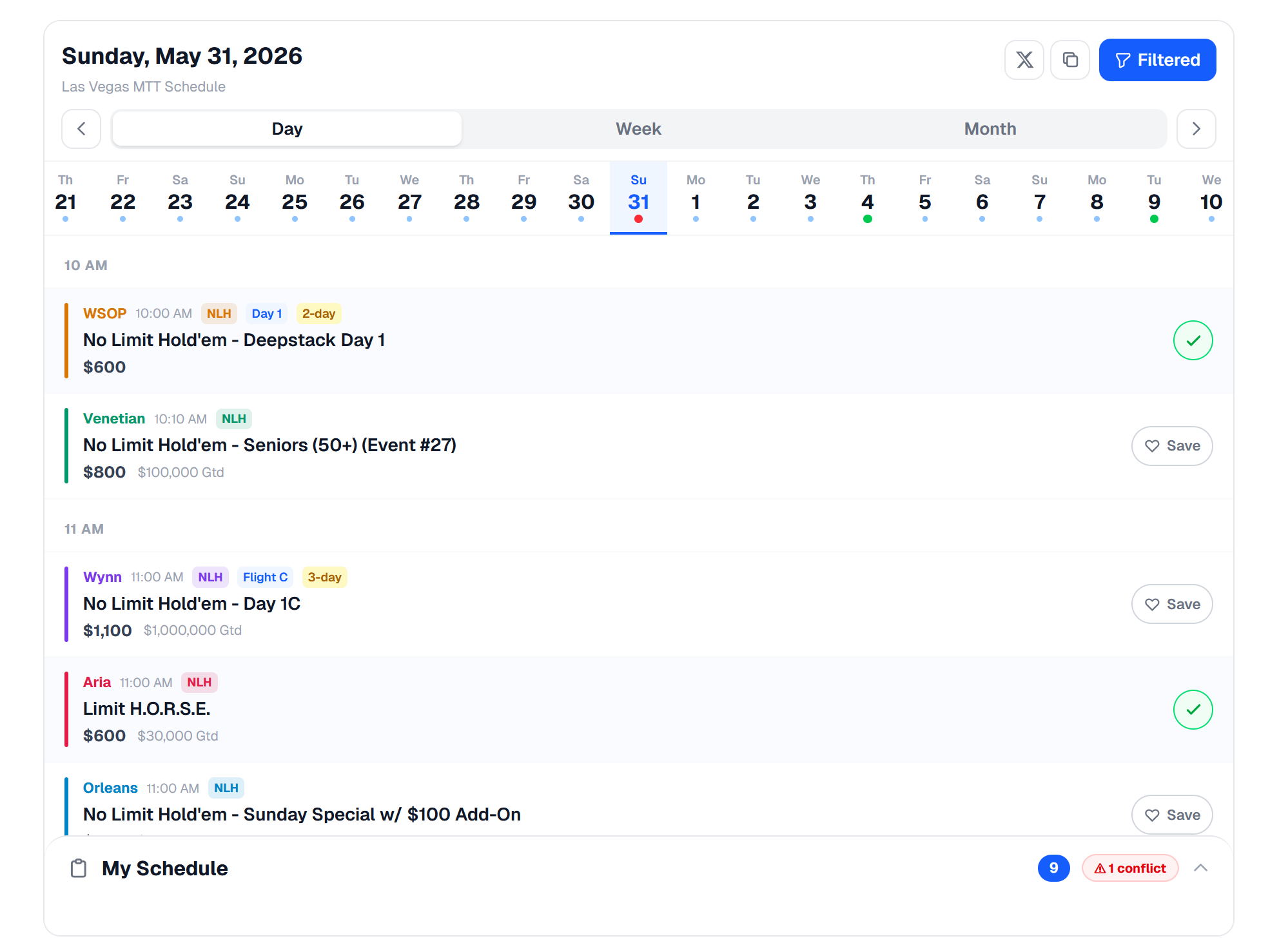 May 31, 2026 on desktop — WSOP, Venetian, Wynn, Aria, and Orleans all running simultaneously, each colour-coded.
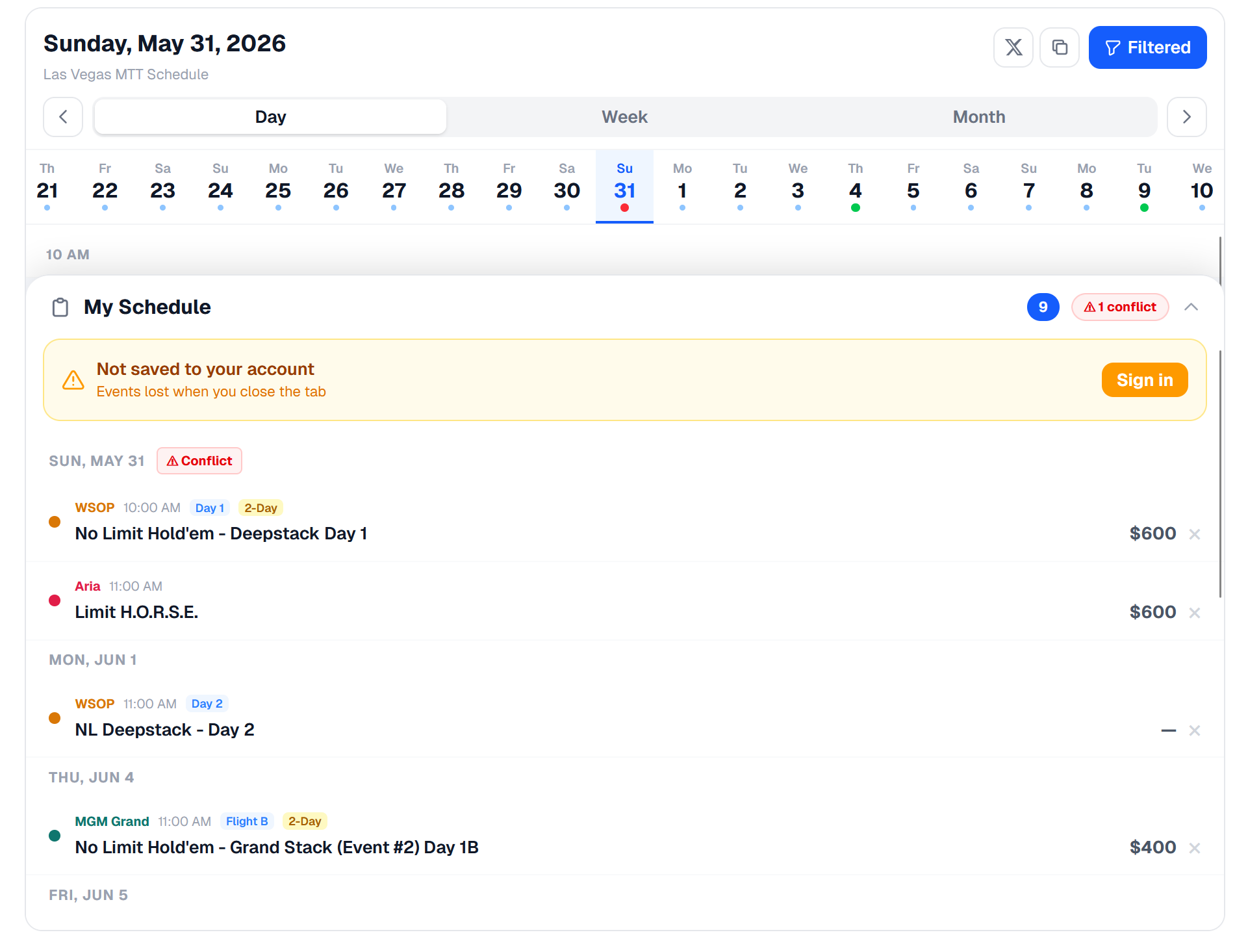 The My Schedule panel showing saved events grouped by date, with venue, time, and buy-in on each row.
Spend thirty minutes with it before you book your flights. Map out your target events, set a rough buy-in budget by week, and arrive with a plan rather than improvising from a PDF schedule. Start planning now:
The Lay of the Land: Eight Venues, One Summer
| Venue | Series | Start Date | Buy-in Range |
|---|---|---|---|
| WSOP (Paris/Horseshoe) | World Series of Poker | May 26 | $500 to $250,000 |
| The Venetian | Deepstack Extravaganza | May 18 | $150 to $1,500+ |
| Wynn | Summer Classic | May 20 | $600 to $1,100+ |
| The Orleans | Summer Series | May 22 | $130 to $600 |
| South Point | Summer Events | May 25 | $150 to $300 |
| Aria | Poker Classic | May 27 | $300 to $1,100 |
| Golden Nugget | Grand Poker Series | June 3 | $130 to $500 |
| MGM Grand | Grand Series | June 3 | $160 to $700 |
The Venetian and Wynn are the two most important non-WSOP venues in terms of structure quality and guarantee sizes. But the smaller venues, particularly The Orleans, South Point, Golden Nugget, and MGM, serve a different and equally important purpose that we will cover in each archetype below.
The First-Timer
You have played MTTs online, at local casinos, or maybe a regional series. You are a solid player, and you know it. But you have never been to a WSOP event, and the combination of the scale, the buy-ins, and the logistics is genuinely intimidating.
That feeling is appropriate. The WSOP is bigger and louder and stranger than almost anything you can prepare for. Here is how to make the most of it without burning out or going broke in the first week.
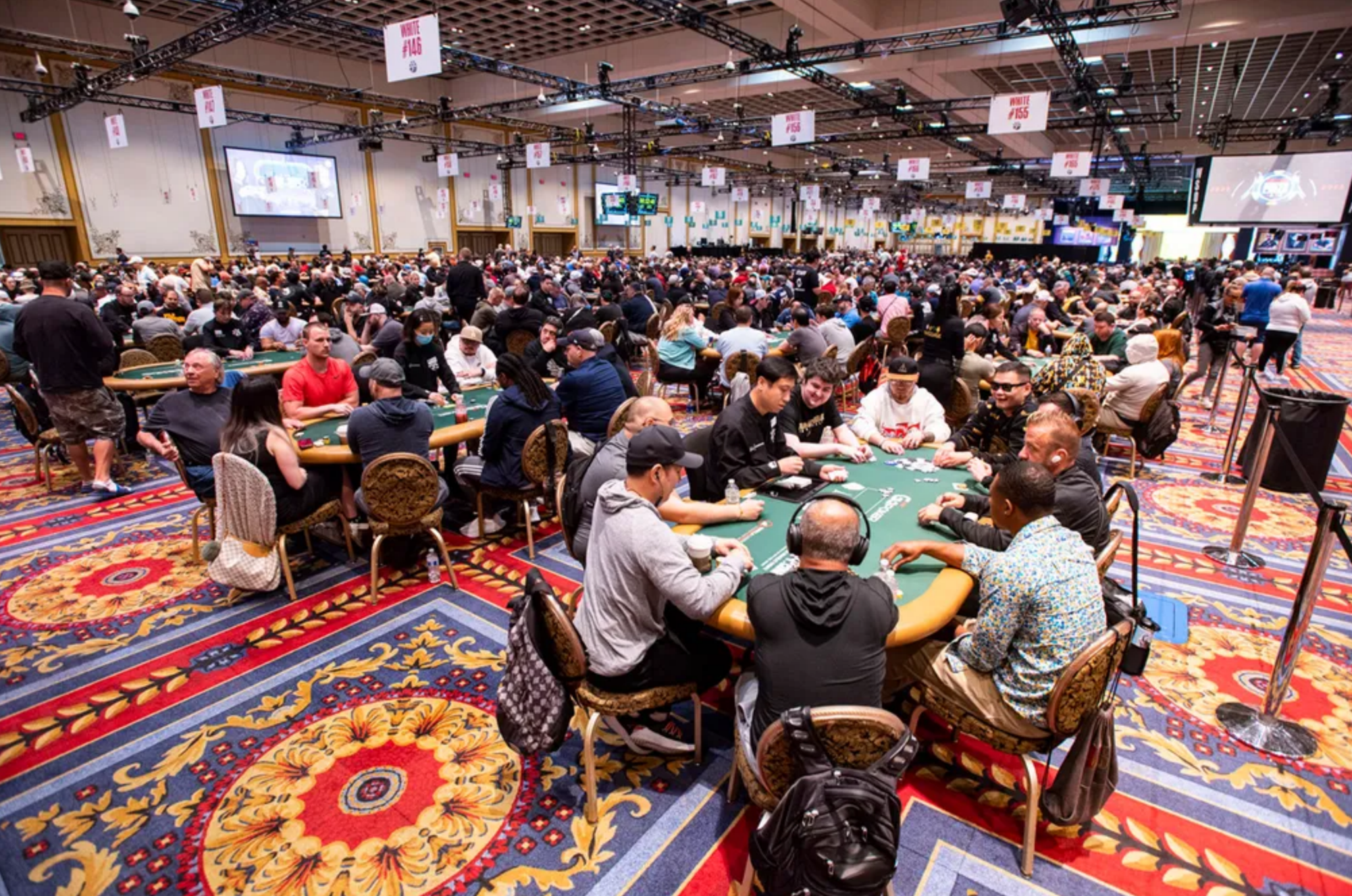 WSOP bracelet events range from a few hundred players to several thousand. The Colossus regularly draws 10,000+ entries across all flights.
Start Before the WSOP Starts
The single best piece of advice for a first-time Vegas summer trip is to arrive before May 26. This is not about warming up in a theoretical sense. It is about getting your bearings in a concrete one.
The smaller venues running before the WSOP kicks off are ideal for this. The Orleans runs $200 NLH Super Stack events daily from May 22, with $130 turbo events in the evenings. South Point fires $300 NLH events with a $300,000 guarantee from May 25. These are not consolation prizes. They are well-structured, affordable, and played at a pace that lets you settle in without the noise and chaos of a 5,000-person WSOP field surrounding you.
At the same time, the Venetian's Deepstack Extravaganza is already running daily $600 NLH events from May 18 and $150+50 bounty events every evening. The Wynn Summer Classic opens May 20 with a $600 NLH that has a $500,000 guaranteed prize pool across multiple flight days.
By the time you walk into Paris/Horseshoe for the first time on May 26, you will have played several sessions in Vegas already. The jet lag is handled. You have found your rhythm at the table. You know where to eat, how long it takes to get from your hotel to the card room, and what a ten-hour poker day actually feels like on your body.
First-Timer Event Picks Across All Eight Venues
The value events for a first-timer span the $130 to $1,500 range across all venues. The WSOP is not the only place worth playing, and for your first trip it is not always the right starting point.
| Event | Venue | Date | Buy-in | Notes |
|---|---|---|---|---|
| NLH Nightly Monster Stack | Orleans | May 22+ (daily) | $200 | $30K GTD evening event. Great low-pressure first session |
| NLH Evening events | Aria | May 27+ (daily) | $300 | $25K GTD, 25-minute levels. Accessible and well-run |
| NLH (Event #1) | South Point | May 25-27 (flights) | $300 | $300K GTD. Strong value at this price point |
| NLH Super Stack | Orleans | Daily | $200 | Morning events running throughout the summer |
| Mini Mystery Millions (Event #1) | WSOP | May 26 - Jun 1 (flights) | $350 + $200 bounty | Great first WSOP bracelet event. Buzzy atmosphere, $1M top bounty |
| NLH Deepstack (Event #10) | WSOP | May 31 | $600 | Clean structure, 30k starting stack, 1 re-entry |
| NLH (Event #2) | Nugget | Jun 3+ (daily) | $200 | $15K GTD. One of the most accessible buy-ins in Vegas |
| Grand Stack (Event #2) | MGM | Jun 3-5 (flights) | $400 | $100K GTD. Good structure, less intimidating than WSOP scale |
| The Colossus (Event #34) | WSOP | Jun 10-14 (flights) | $500 | Historic field sizes. The quintessential first-timer WSOP event |
| Millionaire Maker (Event #50) | WSOP | Jun 17-20 (flights) | $1,500 | $1M guaranteed to first. Splashy, memorable, softer field than its buy-in suggests |
The Colossus deserves special mention. It runs over four flight days and produces some of the largest fields in live poker history. The $500 buy-in is accessible, and making Day 2 of the Colossus is something you will remember. It is the bucket-list first-timer event at the WSOP for good reason.
Do not overlook The Orleans and Golden Nugget for your first trip. Both venues run multiple events per day at buy-ins between $130 and $300, which means you can play frequently, stay in action, and accumulate live tournament experience without the pressure of a $1,000+ buy-in. The Golden Nugget's $200 NLH events and $130 turbos are some of the most recreational-friendly tournaments in Vegas during the summer.
Bankroll and Expectations for a First-Timer
A realistic budget for a ten-to-fourteen day trip built around five to eight tournaments:
| Category | Budget |
|---|---|
| Tournament buy-ins | $2,500 to $5,000 |
| Cash game / side sessions | $800 to $1,500 |
| Hotel and flights | $2,000 to $4,000 |
| Food and incidentals | $800 to $1,200 |
| Total | $6,100 to $11,700 |
The key discipline is treating the tournament budget as fixed and not chasing re-entries or satellites beyond what you planned. Paris/Horseshoe has a satellite area running around the clock. Those satellites are fine if you have specifically budgeted for them. They are a trap if you are using them to justify playing buy-ins above your plan.
Set the schedule before you arrive. Load the Tournament Planner, pick your events across the venues that fit your budget, and arrive knowing your total buy-in exposure for the trip.
Managing the Experience
Paris/Horseshoe is physically large and operationally intense during peak WSOP. Get there early enough to find your table without rushing. Eat before you play, not during. The food situation during peak WSOP is notoriously slow.
Expect to be tired in a way that is different from being tired at home. Playing live poker for eight to twelve hours a day in a loud, cold, constantly stimulating environment is genuinely fatiguing. Build rest days into your schedule. A day where you sleep in, walk around, eat well, and play nothing at all is not wasted. It is what makes the rest of the trip sustainable.
The Bracelet Chaser
You have played the WSOP before or have equivalent experience in large MTT fields. A bracelet is a real goal, not a fantasy. You are thinking about field selection, structure quality, and which events give you the best shot at a deep run rather than just the biggest prize pool.
The honest truth about chasing a bracelet is that variance is brutal and your edge per tournament, even in soft fields, is modest. The goal is to maximize the number of quality opportunities while keeping bankroll risk manageable.
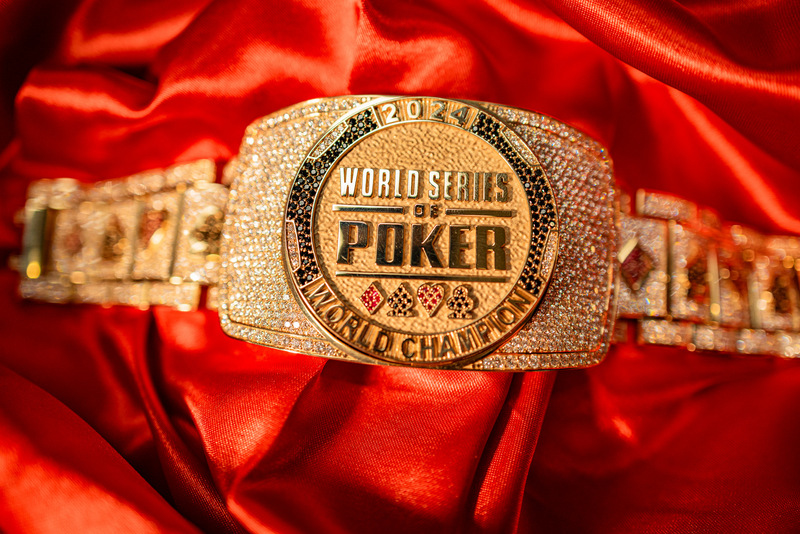 Over 80 bracelet events in 2026 means more opportunities than any prior series.
Identifying Soft Fields
Not all bracelet events are created equal. Field composition varies significantly based on buy-in, format, and timing.
Restricted events attract recreational players. The Seniors Championship (WSOP Event #46, $1,000, June 15-16 flights) draws a 50+ crowd where recreational participation is high. The Super Seniors (Event #61, $1,000, June 22) is 60+. The Salute to Warriors (Event #59, $500, June 21) has a similar profile. The Industry Employees Event (Event #3, $500, May 27) is open only to gaming industry workers. These events consistently produce weaker average fields relative to their buy-in.
Parallel venue events during WSOP peak weeks draw the grinders away. When the Venetian and Wynn are both running strong events on the same day as a mid-field WSOP bracelet, many of the regulars who are schedule-heavy will pick the higher-guarantee option. The residual WSOP field is softer as a result.
Freezeout events filter out the re-entry chaos. Event #25 (NLH Freezeout, $500, June 7) and Event #65 (NLH Freezeout, $1,500, June 23) draw players who are prepared to play one bullet. That removes the early-level shove-anything dynamic that makes re-entry events difficult to navigate in the first few hours.
Early-series PLO at the smaller venues. The Venetian PLO Bounty ($400+200, May 22-23) and Wynn's mixed draw events ($600, May 20+) attract fewer specialist PLO regulars than you would face in Week 6 of the WSOP when the PLO community has fully gathered in Vegas. If PLO is part of your game, these early events are valuable opportunities.
Large-field multi-flight events have softer average fields. The Monster Stack (WSOP Event #18, $1,500, June 3-6) and the Millionaire Maker (Event #50, $1,500, June 17-20) are not soft in absolute terms, but the recreational percentage is higher than at similarly-priced single-flight events. More entries means more weak players, and more weak players means more opportunity.
Structuring a Bracelet-Focused Schedule
| Week | Focus Events | Venues | Buy-in |
|---|---|---|---|
| May 18-25 | Venetian NLH + PLO, Wynn $600 NLH (warmup) | Venetian, Wynn, Orleans | $200 to $1,100 |
| May 26 - Jun 1 | WSOP #1 (Mini Mystery Millions), #10 (Deepstack), Venetian fill | WSOP, Venetian | $550, $600 |
| Jun 1-7 | WSOP #13 (6-Max), #15 (PLO Deepstack), #25 (Freezeout) | WSOP | $1,500, $600, $500 |
| Jun 8-14 | WSOP #28 (NLH/PLO Deepstack), #34 (Colossus) | WSOP | $600, $500 |
| Jun 15-21 | WSOP #46 (Seniors), #50 (Millionaire Maker), #59 (Warriors) | WSOP | $1,000, $1,500, $500 |
| Jun 22-28 | WSOP #61 (Super Seniors if 60+), #63 (Mystery Millions), #65 (Freezeout) | WSOP | $1,000, $1,000, $1,500 |
| Jul+ | Main Event and select high-value events | WSOP, Venetian | $500 to $10,000 |
The Venetian Deepstack and Wynn Summer Classic run throughout this entire period. On rest days between WSOP events, a $600 to $1,100 Venetian or Wynn event is a legitimate alternative, not a fallback. The Venetian Deepstack runs as a WSOP Circuit series in many years and always has a strong structure with serious guarantees.
Bracelet Chaser Bankroll Requirements
| Scenario | Buy-in Budget |
|---|---|
| Conservative (8 events, 1 bullet each) | $8,000 to $12,000 |
| Moderate (10-12 events, selective re-entries) | $15,000 to $20,000 |
| Aggressive (full volume, re-entries, Main Event) | $25,000 to $40,000 |
The Main Event ($10,000, late June into July) deserves its own line item if it is part of your plan. Many bracelet chasers budget for it separately and structure the rest of the schedule around it.
The Volume Grinder
You are playing poker professionally or semi-professionally. Vegas in the summer is a working trip. You are thinking about ROI, event selection, buy-in exposure per week, and how to stack events across a multi-week schedule without destroying your edge through exhaustion.
The volume grinder's challenge is not finding events. It is curating them. The trap is playing too many expensive tournaments and burning your edge at the exact times when you need it most.
Stacking the Schedule
The non-WSOP venues are where volume grinders fill the gaps between major events. The Venetian runs daily $600 NLH events with strong guarantees throughout the series. The Wynn offers $600 NLH flights and occasional $1,100 events with up to $1M guaranteed. Aria runs an $800 NLH daily with a $200K guarantee alongside its $600 afternoon events. MGM fires a $400 Grand Stack ($100K GTD) and a $500 Mystery Ticket ($250K GTD) with multiple flights. These are real tournaments with serious structures, not filler.
A useful framework for dividing your events:
| Category | Buy-in Range | Role in Schedule | Example Events |
|---|---|---|---|
| Core | $1,000 to $3,000 | Maximum edge, 30-40% of budget | WSOP Monster Stack, Millionaire Maker, Venetian majors |
| Volume | $400 to $800 | Consistent edge, fill days between majors | Venetian $600 NLH, Wynn $600 NLH, Aria $800, MGM $400-$500, WSOP Deepstacks |
| Selective | $3,000+ | Only when structure and field quality justify the buy-in | WSOP $3K-$5K events, Wynn $1,100 guarantee events |
The Venetian is your most reliable fill option. Daily $600 NLH events run from May 18 through August with guarantees up to $150,000 and consistent field composition that rewards solid play. The Aria $800 NLH ($200K GTD) and MGM $500 Mystery Ticket ($250K GTD, multiple flights in early June) are the strongest mid-range options during peak weeks when you need quality action between WSOP events.
A Six-Week Volume Grinder Sample
| Week | Events | Approx. Buy-in Spend |
|---|---|---|
| Week 1 (May 18-25) | Venetian, Wynn warmup (4-6 events at $600-$1,100) | $2,500 to $5,000 |
| Week 2 (May 26 - Jun 1) | WSOP #1 (2 flights), #10, Venetian/Wynn fill | $3,000 to $5,000 |
| Week 3 (Jun 1-7) | WSOP #13, #18 Monster Stack (1-2 flights), #25, MGM $500 fill | $4,500 to $6,500 |
| Week 4 (Jun 8-14) | WSOP #28, #34 Colossus (1-2 flights), Aria/Venetian fill | $3,000 to $5,500 |
| Week 5 (Jun 15-21) | WSOP #46, #50 Millionaire Maker, #59, Venetian fill | $4,000 to $5,500 |
| Week 6 (Jun 22-28) | WSOP #63, #65, Venetian/Wynn fill | $3,500 to $5,500 |
| Total | 20-28 events | $20,500 to $33,000 |
This excludes the Main Event. Add $10,000 and an extra week in late June and into July if you are playing it.
Pacing and Burnout
Burnout is the most common reason volume grinders finish a Vegas summer with worse results in the back half than the front. The pattern is predictable: play hard for three weeks, start running bad, register extra events to make up for it, play tired, play worse, go home disappointed.
The discipline that prevents it:
One full off-day per week, non-negotiable. No tournaments, no cash games. Walk around. See something that is not a casino.
Cash games are not rest. Playing a cash game instead of a tournament feels like a break but is still ten hours in a casino. Count it as a session, not recovery.
Set weekly buy-in caps before each week starts. If you run bad in week three, the cap prevents a tilt spiral. Adjust the following week based on your standing, not your emotions.
Track your sleep. If you played until 2am and there is a noon tournament you want to play, you are starting that event already compromised. The noon tournament will be there again tomorrow.
What Every Player Type Has in Common
Regardless of which archetype describes you, three things apply across the board.
Plan the schedule before you arrive. Load the Tournament Planner, pick your events across all eight venues, flag the ones you want, spot the conflicts, and know your total buy-in exposure for the trip before you book your flights.
Budget the whole trip, not just the buy-ins. Players who run out of money mid-trip almost never ran out of tournament buy-in money. They ran out of everything-else money. Hotels on the Strip during WSOP season are expensive. Food, transport between venues, and incidentals add up fast. Build a realistic total budget and treat the buy-in allocation as one line within it.
The series rewards endurance, not aggression. Players who consistently have strong WSOP summers are not the ones who ran hottest in week one. They are the ones who managed their schedule, protected their edge, stayed healthy, and were still playing their best game in week six. That advantage compounds over eleven weeks in a way that no hot streak in any single event can replicate.

Written by
PokerTournaments101
25 years playing mid-to-high stakes NLH and PLO across live and online. Poker industry veterans turned tournament grinders, tool builders, and writers.